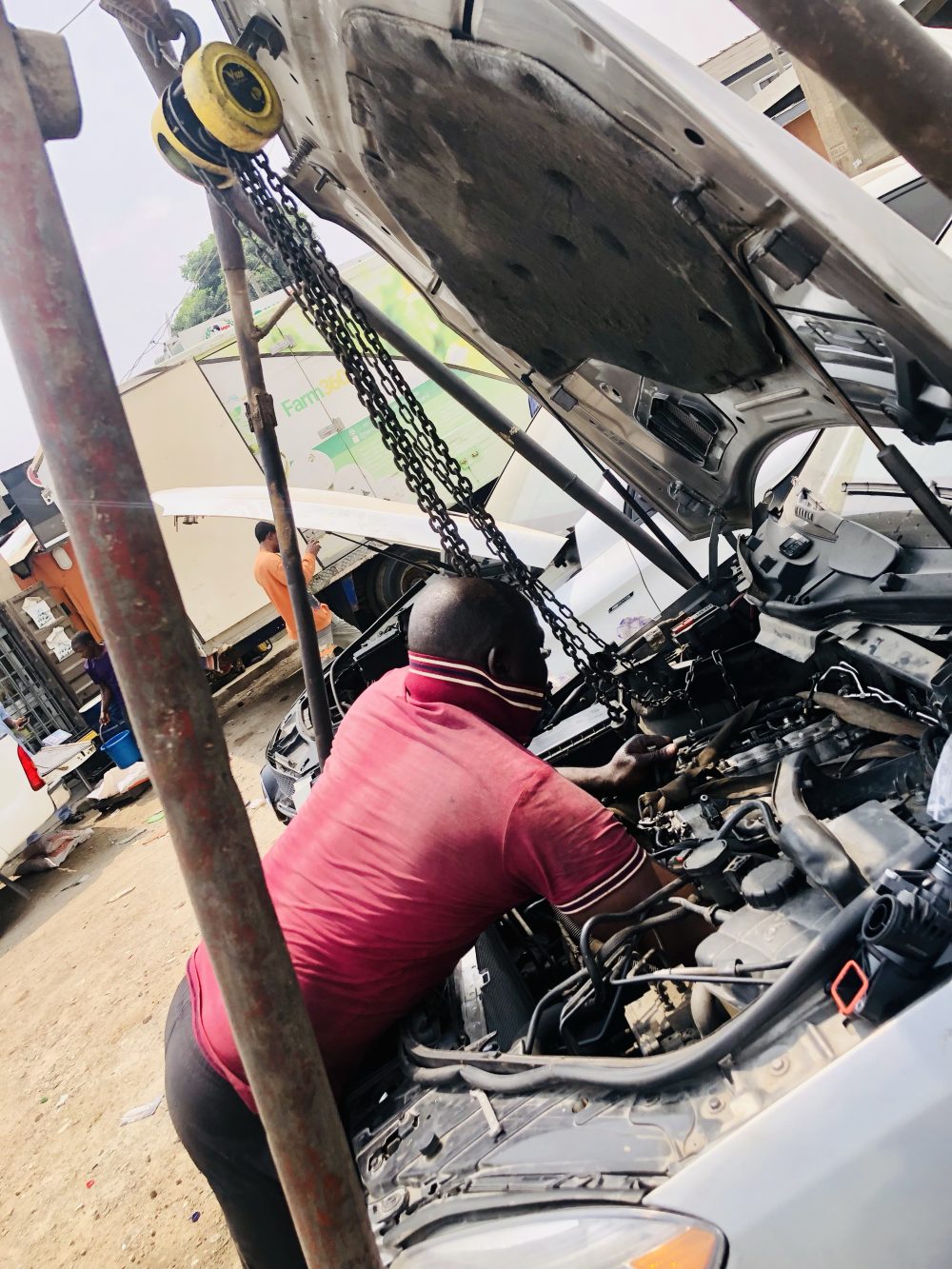

You may be thinking that you are safe from car troubles since you take your vehicle in for regular maintenance and never go over the speed limit. But, no one is immune from car trouble – not even the most careful drivers. That’s why we created these troubleshooting lists to help warn people about the most disturbing common problems that can happen with any type of car, old or new. It doesn’t matter if your engine has seen its last day or you just bought a brand new model off the lot.
Conducting regular service and maintenance is critical to keeping your car running strong at all times. though car issues will occur, and every vehicle will indicate obvious warning signs. To reduce the possibility for breakdown and expensive repairs, we’ve listed the 11 most common car problems that are most likely to pop up.

Indication/warning lights
A warning or check engine light is the most disturbing and common issue for car owners. These lights pop up when the vehicle’s ECU (engine control unit) detects an error code activated by a sensor. Since there are over 200 possible warning codes, allowing a professional mechanic to complete a warning light inspection is the best way to determine the source and make the right repairs.
Bad Fuel Economy
When an engine is running efficiently, it burns fuel at a rate that helps to improve fuel economy. Though, different fuel system parts like fuel filters, air filters, air mass flow sensors, and O2 sensors will someday get dirty or wear out. If this happens before they are replaced, it will cause the engine to consume more fuel than it usually does. Again, being active about regular servicing provides the solution.
A Misfiring Engine
Engine runs best when air and fuel properly mix and burn in the combustion chamber. To efficiently complete this process, a sequence of fuel and ignition system components must work together. Though many moving parts help an engine run properly, engine misfiring is one of the leading problems. To reduce engine misfiring issues, make sure to replace fuel and ignition system components as recommended by the manufacturer or mechanic.
Dead Battery
Mostly, car batteries should last about three years or 50,000 miles. A dead battery usually results in reduced amps – or electrical currents – which naturally decrease as the battery loses its ability to retain a charge. A damaged alternator, battery temperature sensor, or other charging system parts can accelerate this issue. It’s best to replace your car battery every 50,000 miles or three years, even when it’s not showing signs of damage.
Flat Tires
Most tires become flat after hitting an object or being punctured, it’s possible for simple wear and tears to be the main source. Lengthen your tire’s lifespan by keeping them properly tightened, as instructed by your vehicle manufacturer. Generally, tightening tires every 5,000 miles (or when you change your engine oil) is the best advice.
Alternator Failure
The alternator is the part of your vehicle that keeps all the electrical systems running once the car starts. It is also responsible for recharging your battery to keep it in maximum condition. When an alternator stops working, it will eventually cause the battery to wear out prematurely and other starting issues. Check your recommended service intervals and replace the alternator before it breaks down to avoid this hassle.
Brakes Squeaking or Grinding
Just like any other moving part on your car, the brake system is intended to wear out over a period of time. Brakes are important for safe stopping, so when they display any signs of issues, like squealing, squeaking, or a soft brake pedal – it should be inspected by a professional mechanic as soon as possible. While minor problems can cause squeaking or squealing noises, once the brakes start grinding, it’s an obvious sign they need to be replaced.
Faulty Kick Starter (Starter Motor)
The kick starter is responsible for cranking your engine over, which begins the starting process. When this component fails, it is usually because the electrical solenoid has been damaged, the kick starter breaks down or another electrical fault comes up – like a starter relay, for example. While a starter can be replaced before it breaks, it’s hard to predict when this will happen. It is best to have a car-starting inspection to determine the problem before assuming it’s the starter.
Shaking Steering Wheel
Many issues can cause the steering wheel to shake while driving. If it happens right after you start your car and begin to drive, wheel bearings or damaged suspension parts are often the sources. If it happens at higher speeds, it’s commonly a tire/wheel balance issue. But having a professional mechanic inspect the vehicle is the best way to correctly diagnose and fix this issue.
Overheating
You might view overheating to be higher on this list, but the fact is, it rarely occurs. In most modern cars, the cooling system is very complicated, containing many sensors that monitor the coolant temperature, flow, and other parts. Making sure water in the radiator is always at the appropriate level and changing the water pump before it breaks are two easy ways to reduce the possibility of overheating issues.
Slipping Automatic Transmission
When properly maintained, an automatic transmission can last for over 200,000 miles without trouble. Modern automatic transmission is a hydraulic system consisting of various seals, gaskets, and lines that can get damaged, clogged with debris, or leak. When this happens, a transmission will ‘slip’ or not shift smoothly. To avoid this common and disturbing car problem, follow the recommended transmission service for your vehicle.
All cars need maintenance to remain operable. Even when you are on top of suggested support services, like oil changes and tire rotations, issues will occur. A driving method or car model may leave your car more likely to have certain problems than others.
We hope that this list has helped you identify some of the most common car problems. To reduce your chances for breakdown and expensive repairs, it’s important to stay on top of regular service and maintenance. If you’re looking for a great place for all your vehicle needs in one location, we are here! Stop by our garage today or call us at +2348033305930 or you prefer to chat via WhatsApp +2348112442906 to schedule an appointment with one of our experts who can help diagnose what is going wrong with your car and get started fixing it before it becomes too serious.


 Stellar Mech