WHAT TO DO WHEN YOU SEE “OBSERVE WAITING PERIOD” WHEN TRYING TO MEASURE OIL LEVEL IN MERCEDES R500, C230, ML350, GLK350, CLS350…

Featured

  1. Be parked on level ground have car stationary for at least 5mins.
  2. Turn key to position 2 (ignition) radio and heater/Ac fan turn on.
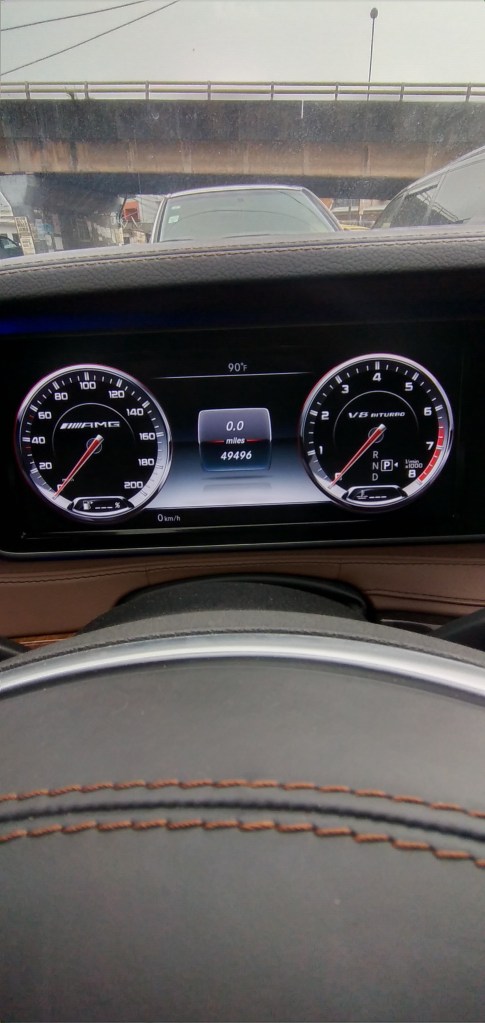
  3. Change to standard display (mileage ) on the multifunction display (computer display under speedometer).
  4. Press and hold + or – on the steering wheel for 3 secs until “ENGINE OIL LEVEL- MEASUREMENT IN PROGRESS! CORRECT MEASUREMENT ONLY IN VEH LEVEL” will appear in after 3 secs “ENGINE OIL LEVEL – MEASUREMENT NOW” will display.
  5. Computer will return the following message.
  • Engine oil level – OK
  • Engine oil level – Add 1.0 Quarts (1.0 liters)
  • Engine oil level – Add 1.5 Quarts (2.0 liters)
  • Engine oil level – Reduce oil level
  • Engine oil level – OK

6. Add oil if needed.
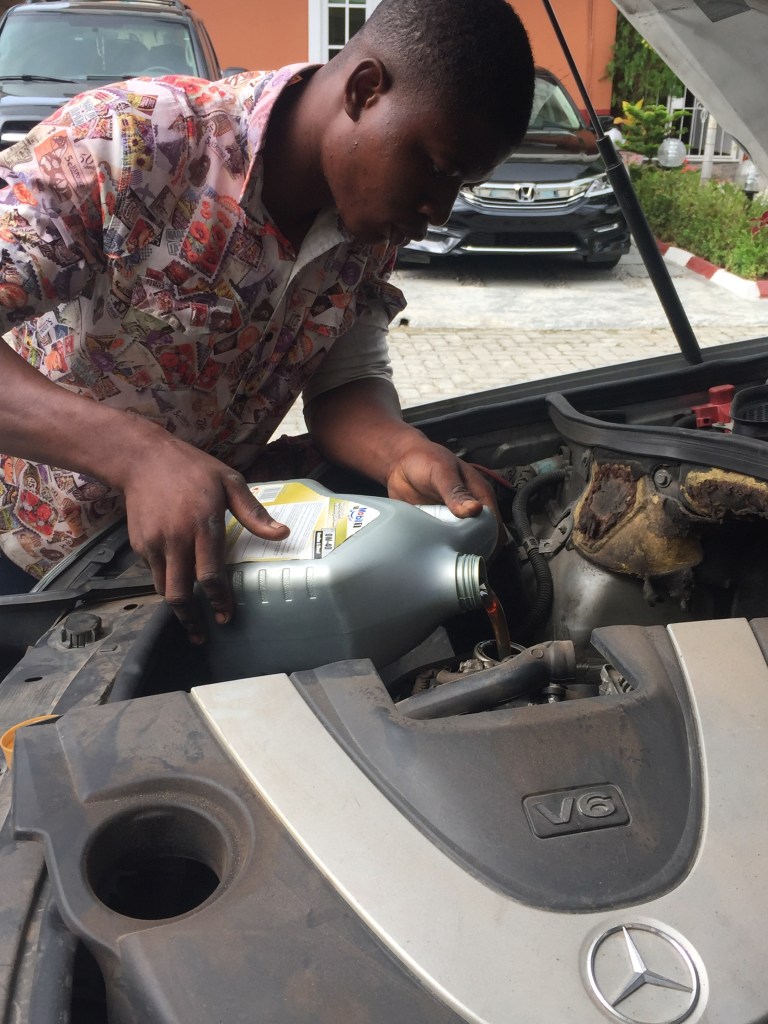
7. If you get “ observe waiting period ” Then remove the key from the dash and wait 5 mins. If you get “ measuring not possible ” then repeat steps above.

What could be the reasons for you not being able to read your car’s oil level

The waiting period is to allow all the oil to drain back into the oil pan. If it were measured immediately after shutting off it, it would read low because some of the oil is not in the pan. It also won’t let you check level while the engine ( oil) is cold, it only measures at operating temp (oil expands as it gets warmer like everything else ). And sometimes trying to check oil level too fast causes it remember to check it on a flat level area.

Sure this is going to help. Make sure to subscribe, like, comment and share our page to get more updates and posts like this from us

Written by Prince Automobile Clinic
What Is Oil Sludge?

Is Your Car Engine Having Sludge?

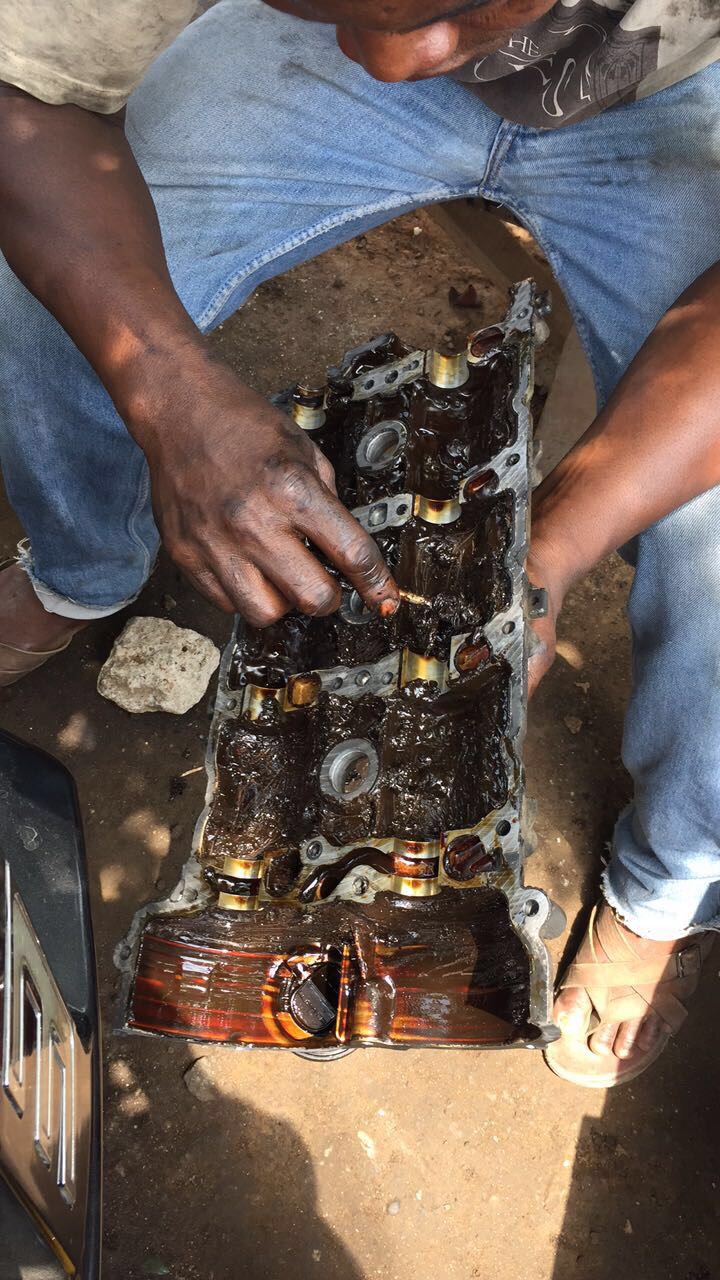
Oil sludge or black sludge is a solid or congealed and thickened oil in the car engine.

Oil sludge can be a major problem to the internal combustion engine and can require the engine to be replaced if the engine damage is severe. oxygen, moisture, and unwelcome garbage that find their way into the oil increases the damage in the engine.

When functioning properly, oil suspends build up in its liquid makeup. The oil loses its ability to do this as it ages and garbage will settle in your engine and surrounding parts. Your engine will then begin to clog up and get contaminated.

The result? A cocktail of decayed oil and contaminants. This tick-like substance is far from the pure oil that belongs to your car this issue happens to both synthetic and conventional oils.

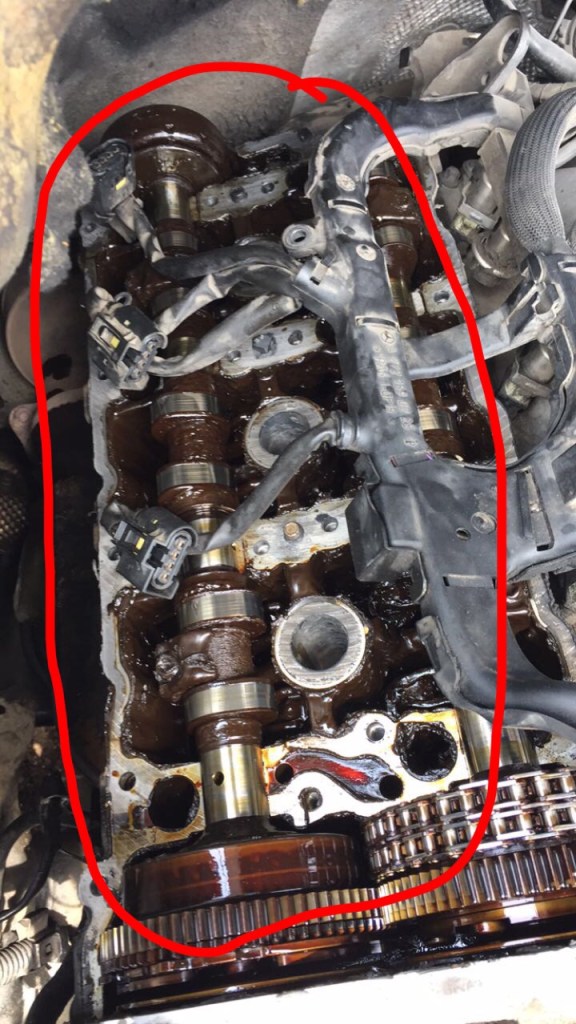
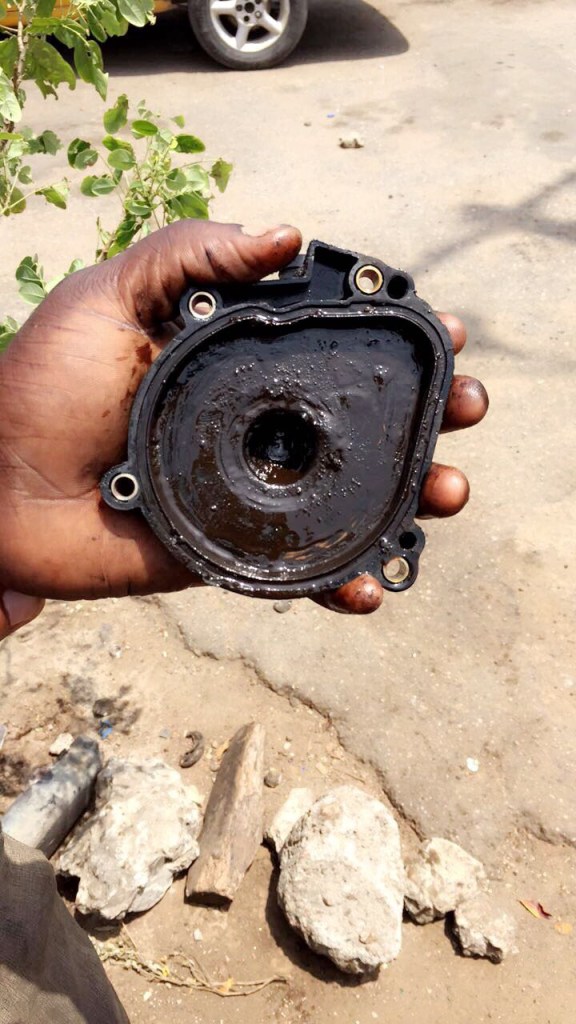
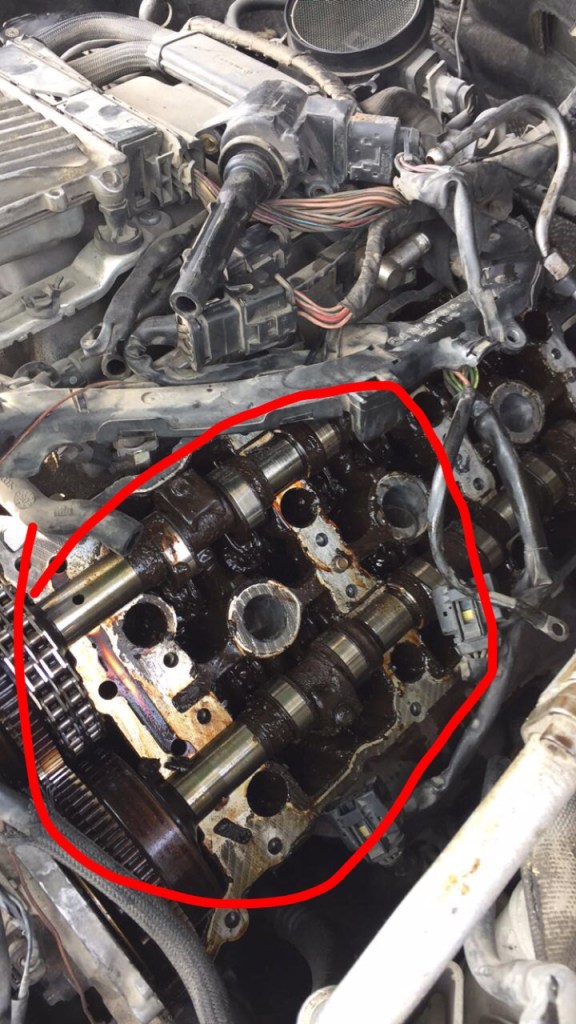
See (image 1) below. Example of sludge inside an engine. ⬇️

See oil sludge in the circled area.

Causes: sludge is usually caused by a poorly designed or faulty crankcase ventilation system, the presence of water in the oil or crankshaft – Induced cavitation, the low operating temperature in the engine and accumulation with use. It’s rare for oil sludge to cause an engine to run poorly or even seize and in most cases happens only when oil changes have been neglected or if the car has been driven extensively with an extremely low oil level.

Precautions Ways to reduce sludge production and accumulation include performing frequent oil changes,

Performing mechanized engine flushing or de-sludging, using synthetic oil and following the manufacturer’s engine maintenance routine. Chrysler, Dodge, Volkswagen, Saab, Lexus, and Toyota models are commonly known for oil sludge problems if engines are not serviced for each respective manufacturer specifications

Prevent Sludge With Prince Automobile Clinic

Cars with sludge have serious risks. The most beginning side effect is the decreased engine. Neither are ideal outcome

Here’s the pro, though: the best way to prevent sludge is simple.

Regular oil changes are the most effective way to prevent sludge from building up in your car engine, take a look in your owner’s manual to stay on track with your manufacturer’s recommendations, oil change schedule, Prince Automobile Clinic will take care of the rest!