
What is oil sludge?
Oil sludge or black sludge is a thick gel in vehicle oil caused by oxidation and/or contamination (oil gelling or thickening, usually at 100 degrees hotness or higher.)
Oil sludge looks a lot more like a burnt porridge but don’t know how to cook it like me. So you must be familiar with the black look of it when it’s burnt. Try eating when it’s cold, delicious right?
That’s right, a burnt porridge is bad can’t eat it, especially when it’s really bad (like the whole porridge burnt with no part of it good). You’d eat it, right? Arrrr!
What causes engine oil to sludge?
Here are the 4 things that causes oil sludge (your porridge to burn)
Engine oil breakdown
Once your engine oil breaks down it speedily reduces the efficiency of the engine work and lubrication ( this is when sludge takes place).
Partially combusted fuel will escape into the crankcase, the oil now donates through the engine. Thus, they will find someplace to settle a as sludge. Which will restrict and block oil flow in the surrounding. Which causes rapid engine wear.
Engine oil and water mixture
The coolant or water in a car should never mix with the engine oil. This is because oil is supposed to lubricate all the moving parts in the engine and the coolant/water is supposed to cool the engine temperature, when it’s running.

When the mixture occurs, it’s important to make swift corrections, because if you don’t, the water and oil mixture will form a thick /congealed cream-like color. (A very thick coffee tea ). How would you love that in your engine? Yes right? Because you get to drink free tea directly made from your car engine every day. Good for you.

PS: this mixture won’t just cause sludge to your engine but also cause your engine not to cool it’s temperature well (because the water to cool it’s temperature, is now a thick coffee).
Late car service/neglect of maintenance
Your car engine service must be done in time. Change the oil .at the appropriate time (5,000) miles – in Nigeria, (10,000) outside Nigeria.
Since the oil acts as a coolant in the engine and smoothes the running of the other components, the maintenance service must be done in time.
When the service is delayed or neglected, there are high chances that sludge will be formed since the oil will not be able to flow freely.
Use of bad synthetic oil
While having your car serviced it is advised to use recommended engine oil, mostly by the manufacturer, your mechanic is also in the position to do so. Mechanics know which oil is good and bad for your car.
For Mercedes Benz cars especially, because of their light-made engines, Mobil 1 is highly recommended. Other types of cars can use them too but most of the time, they use Mobil 1 XHP. ( like Prince Automobile Clinic know is know for always using Mobil 1 oil for servicing their customers).
How would you know when your engine oil is sludged?
Probably the alarming check engine light has come on. And your car doesn’t seem to be responsive like it used to or is supposed to. Your engine may be having an engine sludge. You must make sure to correct this before it becomes an even bigger problem.
PSS: know that all cars, regardless of the model type, make, or year can develop engine sludge (all cars ) .
You can check the engine sludge yourself with these few steps.
- Startup your car. Look in the instrument cluster f the check engine light is on or if your change oil light comes on as well.
- Open your car hood (bonnet), and open the oil cap. If you see the thick, dark, gel-like substance, you have sludge.
How can you remove engine sludge
If it has been concluded that your car has sludge, then it needs to be removed from your engine quickly. It can cause major problems that can be very expensive to fix.
You can remove this and flush It Yourself at home.
You will just need few things to get it done.
- And engine oil flush treatment
- New engine oil
- Container to collect the dirty oil
- New oil filter
- The oil filter ( a tool for loosening oil spanner )
Once you have gotten all the listed items ready, you can begin sludge flush. Pretty simple.
1. The first process is to make sure your car is parked on level ground.
2. Open the hood (bonnet) and remove the oil cap.
3. Pour the engine flush treatment into the engine. (In few cases the oil cap may need to be changed).
4. Start the car and let it run idle for 15-20 minutes.
5. Turn the car off and it’s time to drain the oil out. Hopefully, the treatment has had a chance to mix with the sludge so you can flush them out together.
Advanced PSSS: if the engine sludge is much, don’t use the treatment, just drain out the sludged oil out first then Pour engine oil inside the engine and run the engine.
6. Loosen the oil pan and let the oil drain out into the container.
7. Remove the oil filter and let the oil drain from there too.
8. Replace with new oil filter, rub a tiny bit of new oil on the filter rubber.
8. Install the new one. Make sure to turn the filter clockwise to tighten it.
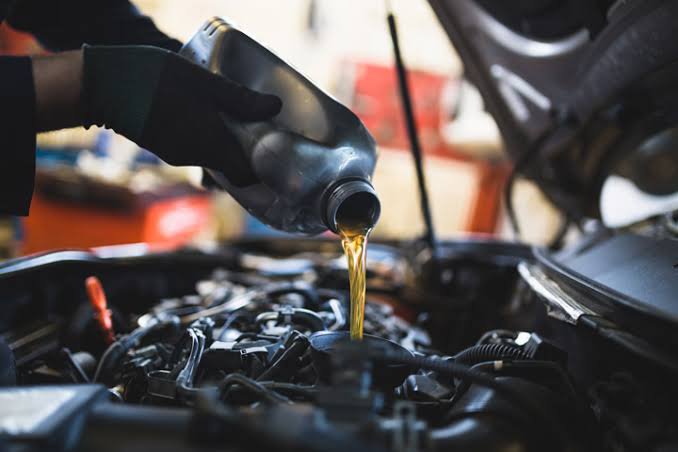
10. Tighten back the oil pan and pour the second new oil. Use a dipstick to check and tighten the oil cap when it’s filled properly.
Conclusion
Using or owning a car requires you to be mindful of its regular maintenance. Part of that regular maintenance includes; regular changing of oil (servicing) it may seem to be a pain but it will help you reduce the risk of damaging your car engine, spending money, and stressing yourself.



 Stellar Mech